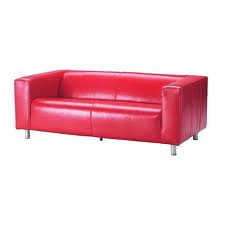

L’Ikea accusata di aver utilizzato prigionieri politici della Germania dell’Est, negli anni precedenti la caduta del Muro di Berlino. Usati in una prigione vicino a Waldheim per produrre il divano Kipplan. L’accusa in un documentario svedese della tv pubblica che sarà messo in onda mercoledì sera 4 maggio.L’articolo sull’Independent del 2.5.12:
Ikea accused of using East German political prisoners to manufacture furniture
Berlin
Tuesday 01 May 20
The Swedish flat-pack giant Ikea is today reeling from potentially scandalous allegations that it used scores of political prisoners in former communist East Germany to manufacture its affordable furniture products in the years leading up to the fall of the Berlin Wall.
The charges, which include the suggestion that the world’s largest furniture retailer, also once worked hand in hand with East Germany’s despised Stasi secret police, were made in a Swedish public television documentary which will be broadcast for the first time tomorrow night.
The broadcaster, SVT, said yesterday that its investigators had found evidence in Stasi files which pointed to the direct involvement of East German political prisoners in the Ikea manufacturing process during the 1970s and 1980s.
Ikea said it had been shocked by the charges. “We are taking this matter very seriously,” spokeswoman Jeanette Skjelmose was quoted as saying. She said the company was conducting its own investigation and insisted that using political prisoners as forced labour was clearly “unacceptable.”
The company said it was examining documents obtained from Stasi archives and had started “interviewing people from Ikea who were around back then. “So far there are no indications that we would have asked prisoners to be used in manufacturing or known about it,” Ms Skjelmose added.
Ikea is known to have farmed out the manufacture of several of its more affordable furniture products to former communist east European countries from the 1960s onwards, including Poland.
A documentary by the German public television channel, WDR, revealed last year that in East Germany alone, at least 65 workshops were used for the manufacture of Ikea products. WDR said that it had also identified several East German prisons where inmates, including political prisoners were used to make furniture.
The programme identified one East German factory located next to a prison in the town of Waldheim, where Ikea’s popular “Klippan” sofa was produced. A former prison guard told WDR that furniture production was part of prison labour.
WDR also cited Stasi documents which claimed that Ikea’s multi-millionaire founder Ingvar Kamprad found his company’s cooperation with the communist authorities to be “completely in the interests of society.”
After the WDR programme was broadcast, Ikea stressed that it had found no evidence that East German political prisoners were used in the production of its furniture. The company insisted that it carried out regular inspections of its factories in East Germany
East Germany incarcerated thousands of political prisoners prior to the fall of the Berlin in Wall in 1989. Many of those held were ordinary citizens who had applied to leave for the West or had attempted to escape over the Berlin Wall. Most were obliged to do forced labour during detention before being “sold” to West Germany in exchange for hard currency.